LACEY – The idea of a new YMCA in Lacey Township has generated excitement among residents and officials who see it as a long-awaited investment in recreation, wellness and community connection. But as more financial details emerge, concerns over taxes, borrowing and municipal priorities are beginning to divide public opinion.
Those concerns intensified after the township publicly released estimated tax impact figures tied to the proposed Lacey Family YMCA project, showing what officials estimate homeowners could pay annually if the facility is ultimately approved and financed.
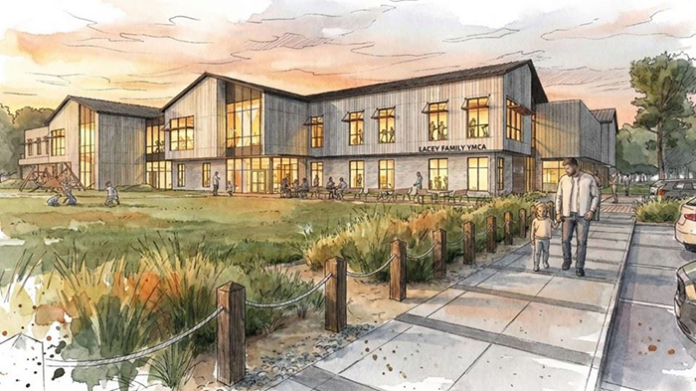
The proposed facility would be built on township-owned property behind the Lacey Road Wawa and would include aquatics facilities, fitness areas, community meeting space, youth programming and senior wellness offerings. Township materials describe the proposal as part of a broader effort to create a true community hub and gathering place in a township many officials say developed without a central downtown or town square.
Mayor Steven Kennis has repeatedly framed the project as an opportunity to reshape the future of the township. “A common complaint has been that the township has developed in the last 50 years,” Kennis said during the township’s YMCA visioning session. “What has been lacking were master plans to maintain a historic district, a village district or downtown, a sense of community or slice of Americana, if you will.”
Kennis described the township-owned property near Gille Park as an opportunity to create that kind of destination. “With the YMCA as a partner, we are asking you to consider developing a town center or Town Square to enhance our quality of life and create that community space,” he said.
Township officials and YMCA representatives described the project as offering more than recreation alone, pointing to proposed childcare, mental health, youth and senior programming. Nonetheless, some residents also questioned whether taxpayers should subsidize a facility that would still require paid memberships, arguing the township could pursue smaller recreation improvements without assuming major long-term debt.
Financial Questions
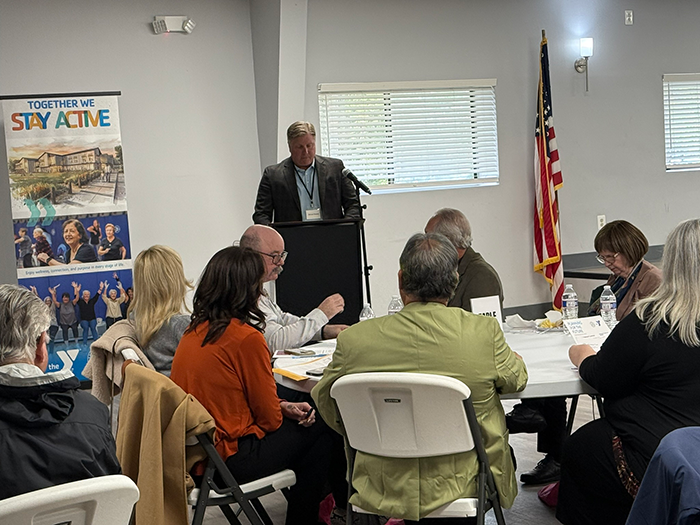
While the township’s April YMCA visioning session was largely optimistic and focused on the organization’s community mission, public discussion raised at the Township Committee’s most recent meeting centered on affordability, municipal priorities and whether taxpayers should shoulder the cost of a large recreational project.
According to materials released by the township, the estimated YMCA tax impact would be approximately $0.078 per $100 of assessed property value. Under the township’s projections, the owner of a home assessed at the township average of $290,668 would pay approximately $227.85 annually toward the project. A home assessed at $500,000 would see an estimated impact of nearly $392 per year.
The township’s economic impact analysis estimates construction costs between approximately $38.1 million and $41.5 million depending on the portions of the report being referenced. The study projects the YMCA would create or support approximately 252 construction-related jobs and eventually support 136 direct operational jobs within the township.
The report also projects the facility could generate millions of dollars in earnings, though critics questioned whether those projected benefits justify additional taxpayer costs. Analysts estimated the project’s construction phase alone could generate roughly $20.9 million in earnings, while long-term YMCA operations in Lacey Township were projected to support more than $48 million in earnings over a 10-year period.
But as township officials highlighted the YMCA’s potential economic and social benefits, some residents questioned whether the project should take precedence over other municipal needs. During public comment at the May meeting, a Forked River resident argued that the township should focus first on replacing the aging police department rather than financing a recreational facility.
“The police station belongs over there,” the resident said, referring to the proposed YMCA site. “It was only two years ago that the comment was made up here that they’re working in the hallways at the police station.”
He also criticized the idea of the township helping finance the YMCA through borrowing. “The township does not belong in the financial business,” he said. “If it’s going to raise our taxes, the bank is next door.”
Similar concerns were raised by resident Steve Bahrle, who questioned whether taxpayers should support a project financed almost entirely through bonding. “If you had $50 million in the bank and you say, listen, we’re going to take 30 out towards the YMCA and we’ll mortgage the other 12, 15 million, I think a lot of people would definitely jump on that,” Bahrle said. “But when you go with nothing and have to finance 100% of anything, it’s something that you should really sit back and think about. Is this really a benefit for the employee, the township taxpayers?”
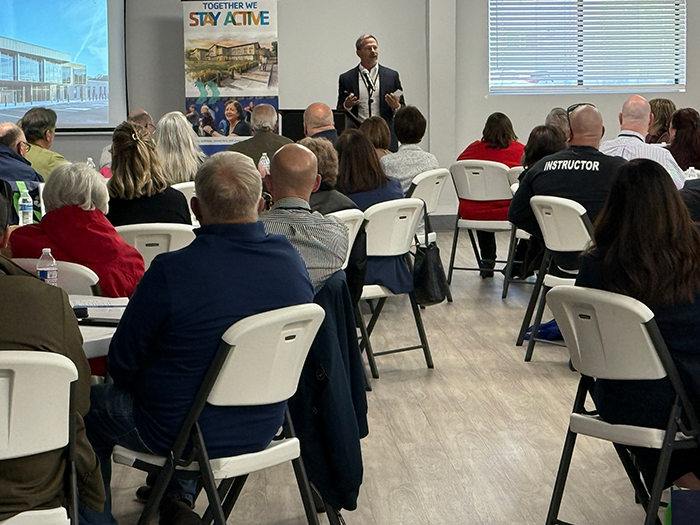
Kennis responded by arguing that financing large municipal projects through bonding is standard practice. “We could take the Y out of it,” Kennis said. “It doesn’t matter whether it’s fire trucks, a new police station, a new town hall. It’s going to be 100% financing.”
Bahrle countered that the central issue was whether the project represented a necessity rather than simply a desirable addition. “We’re back to the question, is it a want or a need?” Bahrle said. “You don’t need it, you want it.”
Referendum Likely
Discussion has also increasingly centered on whether taxpayers themselves should make the final decision through a public referendum.
During the same exchange with Bahrle, Kennis indicated the township expects voters to ultimately decide whether the project should move forward.
“We’re giving as much information as we can, as we get it,” Kennis said. “Then we’re going to let everybody make up their mind. It’ll be on the referendum, and you could vote. If everybody votes no, we’re not going to do it.”