STAFFORD – This is the second installment in an ongoing series examining the high cost of aging in Ocean County and the difficult choices many older adults face as housing, healthcare, food and other essential expenses continue to rise faster than fixed incomes.
The series was inspired in part by the experiences of residents at Summit West, an 18-home age-restricted rental community in Stafford Township. Their stories have also been documented through a collection of online videos posted under the banner “Summit West Stories,” where residents describe the financial pressures they say have accompanied significant rent increases over the past several years.
Last year, a number of Summit West residents saw their rents increase by as much as 20 percent. As older adults living on fixed or limited incomes, the increase felt staggering. Their frustration only grew after learning that a new state law limiting annual rent increases in many manufactured-home communities to 3.5 percent would not apply to them.
The distinction comes down to ownership. The law protects residents who own their homes and lease the land beneath them. Summit West residents rent both the homes and the land. Just a short distance away, residents of West Bay Village, another age-restricted community owned by Trivan Properties LLC, qualify for the protections because they own their homes and lease their lots.
Trivan Properties owns both communities and has not responded to multiple requests for comment.
Now, some Summit West residents are preparing for another increase of approximately 8 percent when their leases come up for renewal.
The first installment in this series explored how those rent increases have raised concerns about housing affordability and long-term stability. This second chapter examines what happens after the rent notices arrive.
Residents say the consequences reach far beyond housing. They affect groceries, healthcare, transportation, savings and, for some, the possibility of retirement itself.
Retirement Keeps Moving Further Away
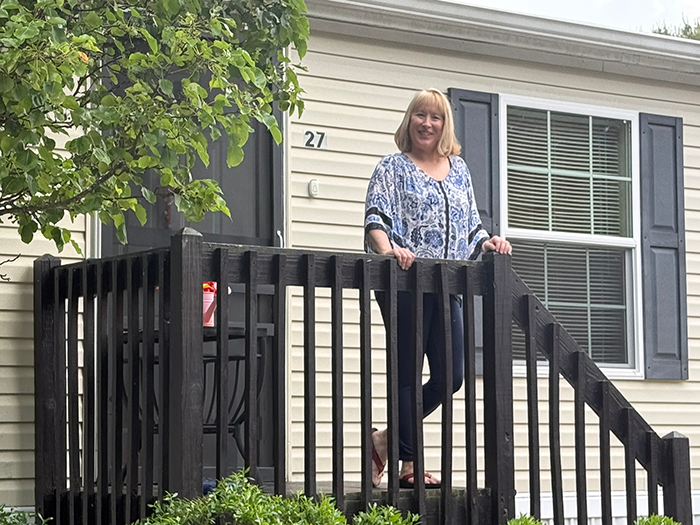
Beth Mann will turn 60 this year. She still operates a small marketing business and never expected to retire immediately. However, she believed retirement would eventually be an option.
Today, she is no longer certain.
Her car, a 2011 model, is showing its age. “I can’t afford to get a new car,” Mann said. “It’s rusted out on the bottom. I was hoping I could maybe swing that this year, but not with these rent increases.”
The financial strain extends beyond transportation. Mann said she has not taken a vacation in more than 20 years. Despite maintaining a business and good credit, she still applies for SNAP benefits and utility assistance programs.
When she moved into Summit West, she found a home she could afford, but one that needed work. Walls stained by cigarette smoke required painting and worn carpeting contained burn marks.
The property owner declined to make the improvements. Mann paid for them herself. At the time, she viewed the expense as an investment in a home where she expected to remain for years.
Now she worries that continued rent increases could eventually force her to tap into savings intended for retirement. “You shouldn’t have to break into your retirement fund for this,” she said.
For Mann, the concern is no longer simply about housing costs. It is whether retirement itself will ever become financially attainable.
Back To Work
Raymond Dolan thought his working years were behind him. Today, he washes dishes at a local restaurant several days a week. Dolan said he returned to work because his expenses continued to rise while his income remained largely unchanged.
When his vehicle stopped running, he could not afford to replace it. Now he walks approximately five miles each day to get to and from work.
To reduce expenses even further, Dolan said he does not run air conditioning in his home. The paycheck helps cover bills, but it is not enough to eliminate the pressure created by rising costs.
“I can’t afford anything else,” he said. “I have to rely on SNAP in order to get food in my house.”
The financial strain has also affected his healthcare decisions. Dolan said he stopped seeing specialists who treated him following a cancer diagnosis because the cost became difficult to justify.
His experience reflects a concern increasingly voiced by advocates for older adults. When housing consumes a growing share of a household budget, other necessities often become negotiable.
The SNAP Surprise
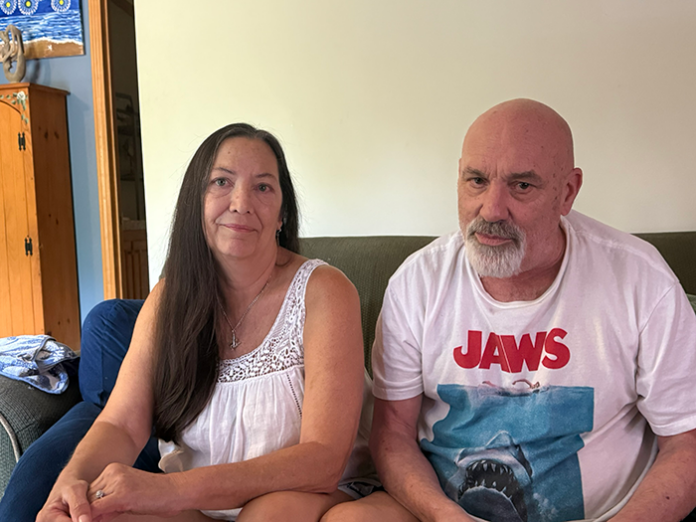
For Deborah D’Augelli and her fiance, John Bartram, the financial pressure arrived from two directions at once. The couple learned they would lose nearly $300 per month in SNAP benefits around the same time they received notice of another rent increase.
Bartram, who is legally blind and lives with multiple sclerosis, said many people underestimate how quickly a household budget can unravel. The loss in food assistance immediately changed the couple’s financial outlook.
A higher rent payment meant less flexibility. It also meant finding additional money to supplement the security deposit required under their lease. Together, the changes forced difficult decisions about where spending could be reduced.
Like many Summit West residents, they found themselves trying to stretch a budget that already had little room to spare. Their rent increase was not 20 percent, but it was close enough to create serious concern.
“If they raise it 17 percent again, where are you going to move to?” Bartram asked. “It’s going to cost as much or more.”
Their experience reflects a growing issue facing older adults throughout New Jersey.
According to New Jersey Advocates for Aging Well, nearly one in 10 New Jersey residents age 50 and older experiences food insecurity, affecting approximately 340,000 people statewide.
Adult Children With Disabilities
Lori Novotny-Hill faces a different set of challenges. She serves as the primary caregiver for her adult son, Justin, who lives with cerebral palsy and other medical conditions.
Novotny-Hill said her family’s rent has increased approximately 25 percent since moving to Summit West three years ago while medical expenses continue to rise. One medication alone, she said, would cost approximately $1,000 even after insurance.
“We should all be able to feel safe and comfortable within our homes and not have to worry about being priced out,” Novotny-Hill said.
For families balancing caregiving responsibilities, medical costs and housing expenses, rent becomes only one part of a much larger financial equation.

More Than A Housing Story
Residents say discussions about Summit West often focus on rent increases. What receives less attention is what happens afterward.
A higher housing payment may mean returning to work after retirement. It may mean postponing medical care. It may mean delaying the purchase of a vehicle, relying on food assistance programs or abandoning plans for retirement altogether.
For many Summit West residents, the challenge is no longer simply paying rent. It is preserving the quality of life they expected after decades of work while navigating an economy that increasingly demands more from people living on fixed or limited incomes.