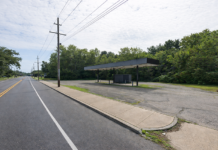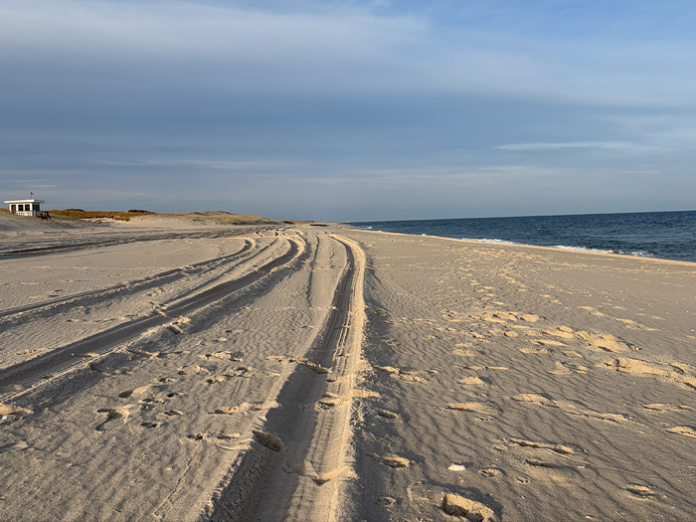
OCEAN COUNTY – Imagine driving through Seaside Heights and Seaside Park as it is today – hotels, rides, and the boardwalk. As you keep going south on Route 35, you hit Island Beach State Park, but instead of the nature preserve it is now, it is also filled with hotels and tourist stops.
Imagine if Route 35 continued to be a major road, with parking on either side for bars, restaurants and shops. Three-story hotels block the view of the water. The heat of the summer sun is magnified as it’s reflected off black asphalt.
This could have been modern day Island Beach if history had played out differently.
It was 60 years ago – in 1965 – that the Borough of Island Beach closed down, becoming a beautiful ghost town left to nature to reclaim.
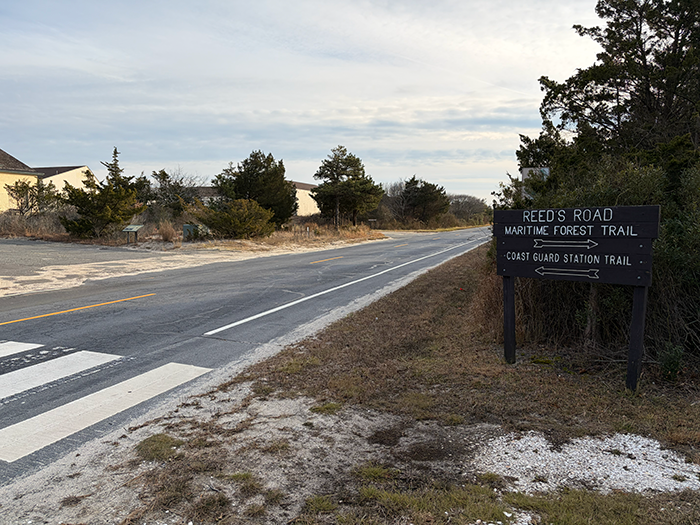
Ancient History
Of course, the earliest inhabitants were native Americans. The Lenape had permanent settlements on the mainland, and seasonal homes here – a parallel could be drawn between modern inhabitants with their beach houses.
In 1614, Dutch cartographer Cornelius Hendrickson was likely the first European to set foot on Ocean County. He sailed through Barnegat Inlet to the Toms River and claimed the land for Holland.
The British pressured Holland to give up claim to the land and in 1635, the area was granted to the first Earl of Stirling. A few generations later and IBSP became known as Lord Stirling’s Isle.
In 1758, the Treaty of Easton forcibly removed all Lenape from New Jersey, requiring them to head west to reservations.
Through the early 1800s, through maritime warfare and a dangerous coast claimed hundreds of ships, giving the Jersey coast the nickname “the graveyard of the Atlantic.” This led to three life-saving stations being built on IBSP.
Tourism And Locals
After the arrival of the railroad, this area became a place for vacationing. Two hotels – the Reed and the Haring – were opened for sportsmen on IBSP.
While some were hunting and fishing for sport, the Baymen did it as a way of life – able to live almost entirely off what nature provided.
Henry C. Phipps, a partner of Andrew Carnegie, purchased the land in 1926. He wanted an exclusive summer resort. He built the Ocean House, the Bay House, and the Freeman House. These three buildings are still used by the governor. The stock market crash ended the development plans and Phipps died in 1930.
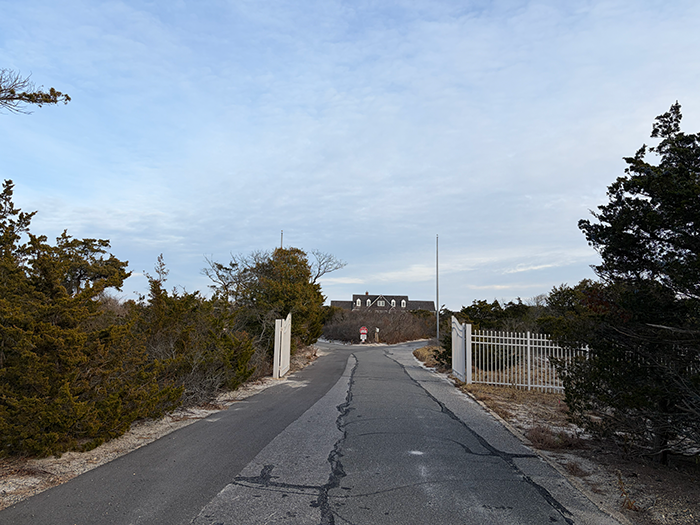
His land manager, Francis Parkman Freeman, took over from there. He had a fascinating life full of remarkable wins and horrible losses. He managed farms, served in World War I, lost his wife and daughter in childbirth, moved to Armenia to teach agriculture, and then came back to become the foreman of the Phipps estate. He married children’s author Augusta Hueill Seaman.
Freeman, his wife, and retired Coast Guard Capt. Joseph Tilton created the borough of Island Beach. Freeman was fire chief, head of the board of education and mayor while his wife was borough clerk, tax collector, and borough registrar.
They managed the Phipps Barnegat Bay and Beach Company and sold passes to visitors. They also administered almost 100 land leases to people wanting to live there. The builders were not to disturb any flowers or osprey while they built.
While the federal government had shown interest in purchasing the property, the 2,694 acres were eventually bought by the State of New Jersey in 1953 for $2.7 million. The people living there had an agreement that when they passed away, their land would be given to the state. The park itself opened in 1959.
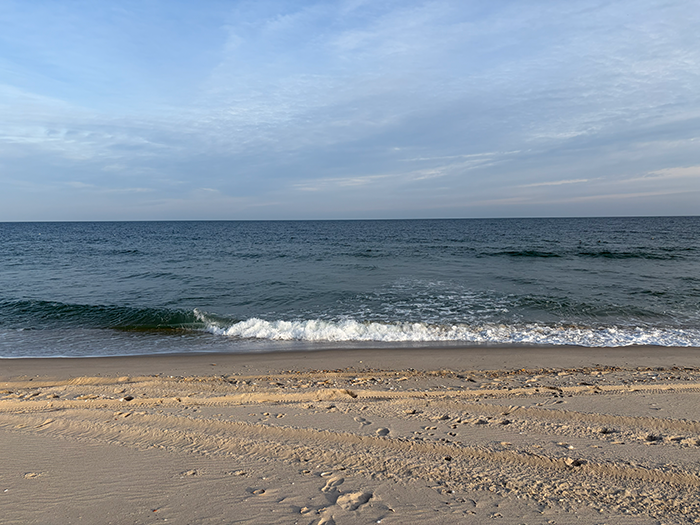
So when you visit Island Beach State Park today, take a long look at the unblemished shoreline. Hear the tinkling sound of shells that were used to line the walking trails. Feel the breeze and the sun on your skin. Notice that the only vehicles on the road are driven by people seeking to enjoy nature. And then imagine what it would have been like without preservation.
This article contains information researched from the N.J. Department of Environmental Protection.