TOMS RIVER – The Ocean County Health Department is urging residents to use caution as officials report a rise in overdoses and medical emergencies linked to kratom products sold in convenience stores and other retail outlets across New Jersey.
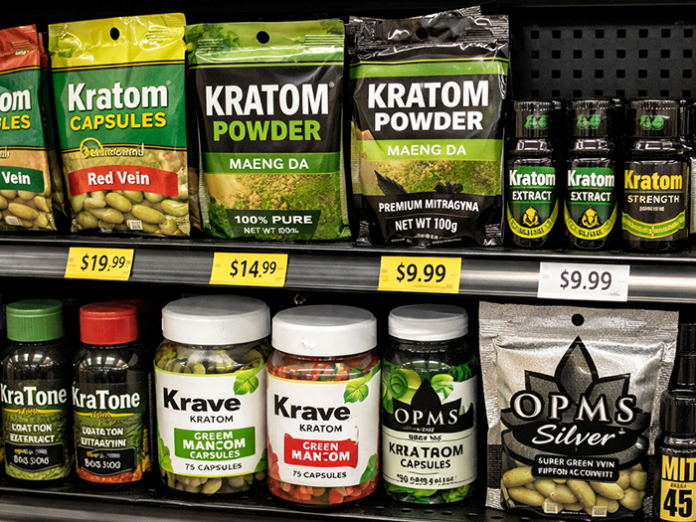
Health officials say the plant-based substance, sometimes labeled as 7-OH, is often marketed as a natural supplement despite mounting evidence that it can cause serious health complications. Kratom products are unregulated in New Jersey and can be purchased in convenience stores, smoke shops and online, frequently without age restrictions.
Ocean County Commissioner Deputy Director Jennifier Bacchione, the county’s liaison to the Board of Health, said the accessibility of the products is fueling concern among public health leaders.
“What is often promoted as natural or safe can carry very real dangers,” Bacchione said. “Young people in particular may not understand the risks associated with these substances.”
According to the health department, kratom contains active compounds that affect opioid receptors in the brain, increasing the potential for dependence, abuse and withdrawal symptoms. Daniel Regenye, the county’s public health coordinator, said kratom is not approved for any medical use and has been linked to seizures, liver damage, nausea, vomiting and hallucinations.
Officials also warned that, because the products are not regulated, some may be contaminated with heavy metals or bacteria.
While kratom remains legal at both the state and federal levels, lawmakers have introduced legislation aimed at restricting or banning its manufacture and sale in an effort to curb unregulated access.
Kimberly Reilly, the county’s alcoholism coordinator, said misuse patterns are beginning to resemble those seen with other addictive substances, including self-medication and withdrawal symptoms.
The health department advises residents to avoid kratom use without medical guidance, exercise caution with unverified herbal products and report adverse reactions to local health officials or poison control. Officials also note that naloxone may help reverse respiratory depression in suspected kratom overdoses.
More information is available through the Ocean County Health Department.