TOMS RIVER – A missed legal deadline, a collapsed development agreement, and growing tensions among elected officials have placed Toms River into a high-stakes legal battle that could determine future development.
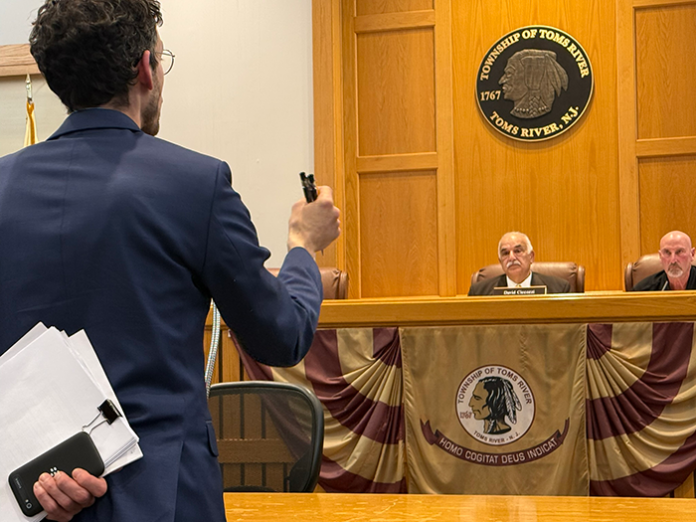
Mayor Daniel Rodrick said the outcome reflects what he had warned about weeks earlier, pointing to the builder’s remedy lawsuit filed days after the March 15 deadline passed. “We were here two weeks ago, and I explained that if we didn’t pass the plan, we would be subject to builder’s remedy. That’s exactly what happened,” Rodrick said at the March 25 council meeting. He noted that without a compliant plan, developers can move forward without zoning or Planning Board oversight.
Every town in the state is required to set aside a certain amount of affordable housing based on a complicated formula. This has been going on for decades, and the current round of calculations – the fourth round – is from 2025-2035.
A builder’s remedy suit happens when a town doesn’t have an affordable housing plan ready. A developer can sue, claiming that the town is trying to keep poor people out. Usually, a court will side with the developer and give them a lot more control over what’s being built than if a town approves a development.
As recently as December 2025, township officials believed they had a path forward. An agreement with the Fair Share Housing Center was intended to satisfy fourth-round affordable housing obligations while limiting new construction through deed restrictions and targeted development. That plan depended on adopting the necessary ordinances by March 15.
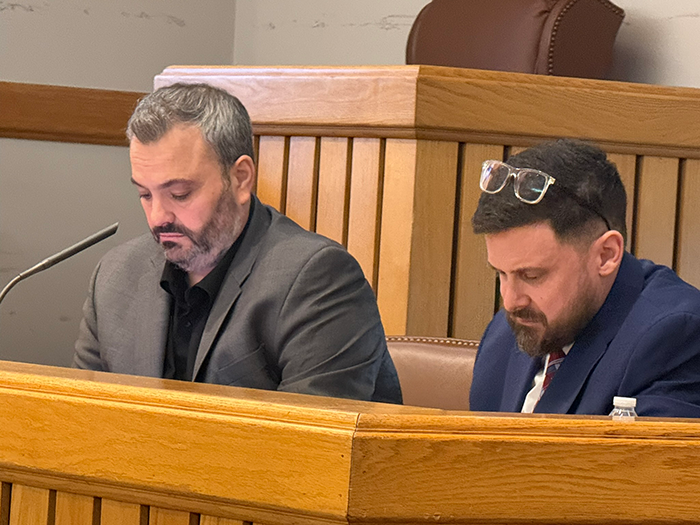
That timeline began to unravel at least by this March when the Hope’s Crossing project, a key source of affordable housing credits, fell through. Members of the four-person council majority, consisting of Council President David Ciccozzi, Vice President Tom Nivison, and Councilmen Robert Bianchini and Clinton Bradley, said they were caught off guard, describing when they learned the deal had collapsed and that alternative sites had already been identified without their input. All of the governing body members are Republicans, but the council majority is on a different side than the three other members and the mayor.
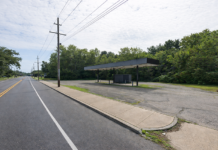
Those alternatives included rezoning properties along Route 70 and Massachusetts Avenue near Lake Ridge, as well as the potential use of township-owned land along Route 9 that had been purchased by the town for open space for approximately $10 million.
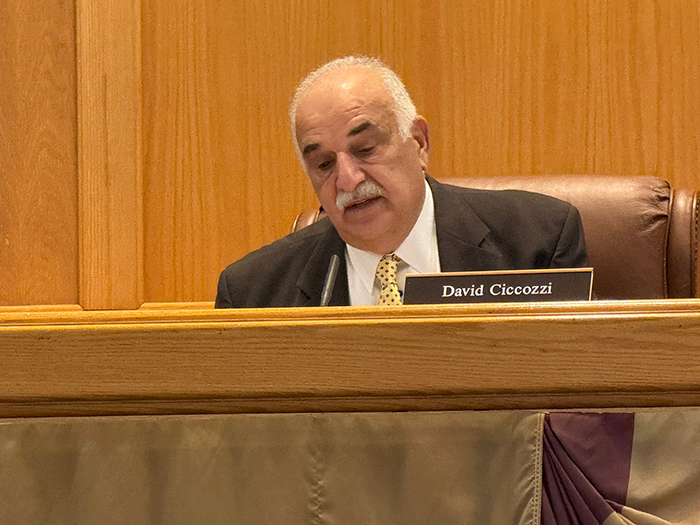
“We were never advised of any of this,” Ciccozzi said. “We went into the back and were given a big stack of papers we never saw before.”
The mayor has not publicly detailed when or how the newly targeted sites were identified.
As for the original plan that was approved, Rodrick previously provided telephone logs he said represented his attempts to call council members to discuss the plan with them. He maintains that his calls went unanswered.
Ciccozzi, speaking on his own behalf, said neither he nor, to his knowledge, other members of the council majority were involved in the development of what Mayor Rodrick has described as his affordable housing plan. Ciccozzi said that lack of involvement applied to both the earlier proposal and the revised version that emerged after the Hope’s Crossing project fell through.
“We didn’t have anything. Not even a conversation,” Ciccozzi said, adding that the plan was “100 percent” developed by the administration without council input. The council president pointed to a previously approved downtown redevelopment project as a more appropriate option, describing it as a controlled opportunity to generate affordable housing while advancing long-planned improvements to the waterfront area. He said the project could account for roughly 41 affordable housing units and would have been consistent with existing redevelopment efforts.
“In my opinion, putting those units downtown, where redevelopment is already planned, would be better than using other locations or giving up open space,” he said.
Ciccozzi added that the downtown project would have complemented infrastructure improvements and economic activity in the area, rather than shifting development pressure to sites along Route 70 or township-owned land along Route 9.
Division And Deadlines
Rather than adopt the ordinances on March 11, the council majority pushed for an extension. In a March 12 letter to the mayor and the affordable housing attorney, they cited concerns about density, infrastructure, and the use of preserved land, and asked that the township seek more time to finalize its plan.
Court filings later show that the township’s affordable housing attorney Christopher Zingaro submitted a letter to Superior Court Judge Sean D. Gertner on March 12 at 8:01 p.m., requesting an extension and outlining the township’s progress. The filing referenced a March 6 case management conference that council members said they were unaware had taken place, during which the township represented that it was on track toward compliance. It also indicated that the court had raised the possibility of extending immunity and that no parties opposed it.
No extension was granted before the March 15 deadline passed.
After The Deadline
By the time the council met again on March 25, the situation had shifted from planning to damage control. Officials entered a private meeting and learned that a builder’s remedy lawsuit had been filed the previous afternoon by Meridia Toms River 40 Urban Renewal LLC.
Meridia is the downtown project Ciccozzi mentioned earlier in this article. It had been stopped last year. Rodrick said Meridia missed certain deadlines. Meridia said the Rodrick administration had delayed information which caused them to miss the deadlines.
When the public meeting resumed, the township took a step toward addressing the issue. The clerk read an ordinance designating Block 171, Lots 23 and 42 as an affordable housing overlay zone with a multi-family designation intended to create a realistic opportunity for low- and moderate-income housing.
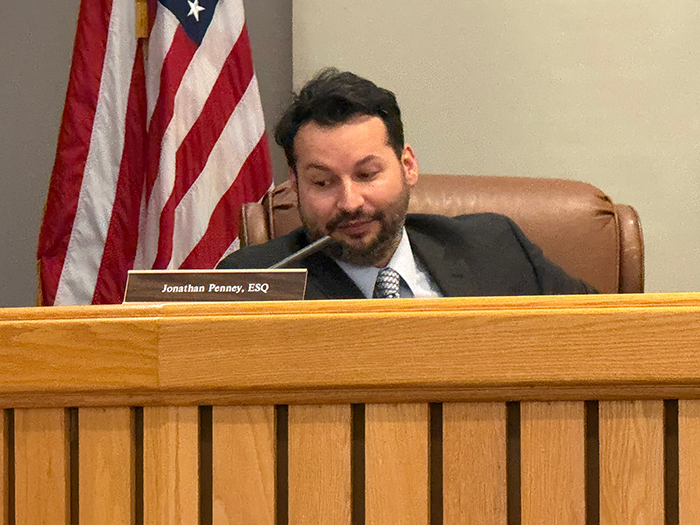
Township Attorney Jonathan Penney said the move was meant to demonstrate good faith to the court after the missed deadline.
“This is an ordinance to try and comply in good faith,” Penney said, noting the township now had neither an extension nor protection from builder’s remedy litigation. He said officials were attempting to show progress rather than simply asking the court for more time.
Rodrick criticized the council’s decision to move forward with only part of the plan, arguing it would not restore compliance. “The council is going to pass a small piece of the plan… so we still won’t have a plan in place,” he said.
As the discussion turned to next steps, Councilman Nivison suggested bringing in outside expertise, pointing to the Affordable Housing Alliance as a potential resource.
“This nonprofit works all over with municipalities,” Nivison said. “Speaking with the CFO and looking at their projects, it seems like a perfect fit for us.”
The ordinance was approved unanimously on first reading, even as questions remained about what additional steps would be needed.
Lawsuit Filed
Nine days after the deadline passed, the legal consequences had become clearer. Meridia’s builder’s remedy lawsuit significantly raises the stakes, as such actions allow developers to seek court approval for projects that include affordable housing even if they do not comply with local zoning.
In practical terms, it can shift control over development decisions from local boards.
On March 27, Judge Sean D. Gertner ruled that Toms River is not currently in compliance but allowed temporary immunity to continue under strict conditions.
The court set April 9 as the deadline for the township to demonstrate meaningful progress and April 23 as the next checkpoint to determine whether that protection will remain in place.
The outcome of the coming weeks could determine whether Toms River retains control over its development decisions or cedes that authority.
This reporter contacted Rodrick explaining deadline constraints to request comment on the April 9 date set by Gertner. Rodrick said he planned to issue a statement but would return the call later that day. No additional comment was received by deadline.