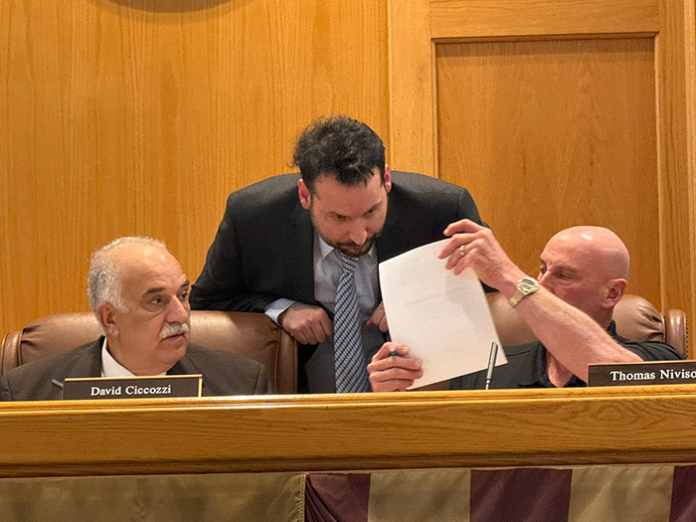
TOMS RIVER – A resolution to try to bring payments under the Township Council’s control was passed – and then rescinded during the same meeting when it was revealed that it could delay employees being paid.
The resolution was introduced at the March 26 Township Council meeting in response to a $14,664 payment made to Shore Media and Marketing LLC, also known as Shore News Network. The majority of council members sought to block this payment.
According to language read into the record, the payment was issued on February 11, 2026, the same day a scheduled council meeting was canceled, meaning it was not formally approved by the governing body.
“Payment was made without approval by the township council,” the resolution states. The measure went further, describing the situation as a failure in oversight.
“The issuance of said payment without council approval… constitutes the breakdown of financial controls and governance,” the resolution reads, adding that the payment did not appear on the February 25 bill list and was later included in March, when council did not approve it.
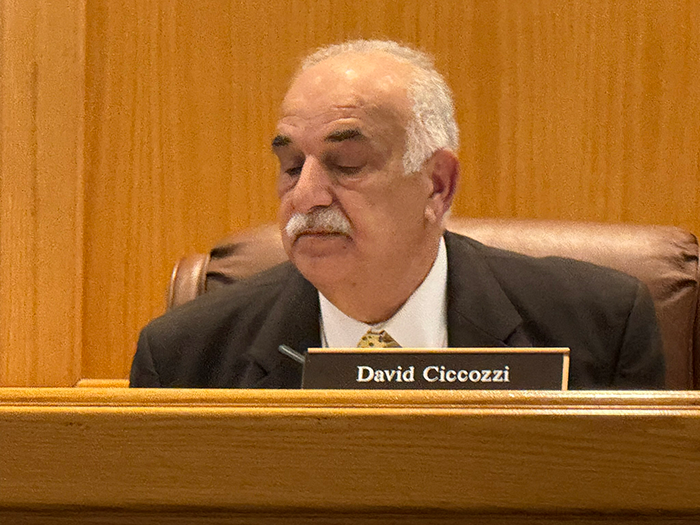
The issue unfolded amid ongoing division within the governing body. Council President David Ciccozzi, Council Vice President Tom Nivison, and Councilmen Robert Bianchini and Clinton Bradley have consistently voted as a four-member majority, often at odds with Mayor Daniel Rodrick. Council members Craig Coleman, Harry Aber and Lynne O’Toole are generally aligned with the mayor.
Members of the council majority have also raised concerns about the Shore Media payment itself, questioning both how it was authorized and whether Shore News Network operates independently or in alignment with the mayor’s administration. Those concerns contributed to the urgency behind the resolution.
Phil Stilton, CEO and editor of Shore News Media Marketing, pushed back on those claims. “Crazy,” Tom Nivison and Dave Ciccozzi should be more concerned about stopping over development and doing favors for downtown builders and spending hours than talking about imaginary bills that don’t exist, he said. “I have not submitted a bill since December.”
Who Pays The Bills?
The council majority introduced the resolution which would eliminate a policy that had allowed the township’s Chief Financial Officer to process certain payments between meetings to avoid delays.
“The Township Council hereby rescinds and terminates the authorization (that permits) the chief financial officer to approve initial payments between meetings,” the resolution states. It further directed that no payments be made without prior council approval except where required by law.
The move was intended to prevent a repeat of the Shore Media payment and reassert council control over township spending.
During the discussion, Chief Financial Officer Dorothy S. Gallagher clarified that the Shore Media payment had not been made arbitrarily, but under an existing authorization.
She explained that the bill had been preapproved through the policy allowing payments between meetings. This policy had been adopted earlier in the year to make sure bills get paid on time.
Her explanation underscored that the payment followed an established procedure, even as council members questioned why it had not come before them for direct approval.
Payroll Concerns
The broader implications of the resolution became apparent almost immediately.
Mayor Rodrick warned that eliminating the ability to process payments between meetings would disrupt routine financial operations, including payroll.
“She’s not going to be able to make payroll… to the police or to any other employee without the prepaid provision,” Rodrick said, urging that Gallagher be allowed to address the council.
Gallagher was not permitted to speak before the resolution was initially passed. After Rodrick left the meeting, she was able to clarify that the language as written would prevent her from issuing payroll.
Council President Ciccozzi emphasized the intent behind the measure.
“We want to have the wording that when we say ‘no’ to a particular bill, that bill does not get paid,” Ciccozzi said. “She has got to agree. No matter who she gets the order from, that bill does not get paid.”
Legal Concerns Raised
The episode also highlighted a broader issue within the governing body.
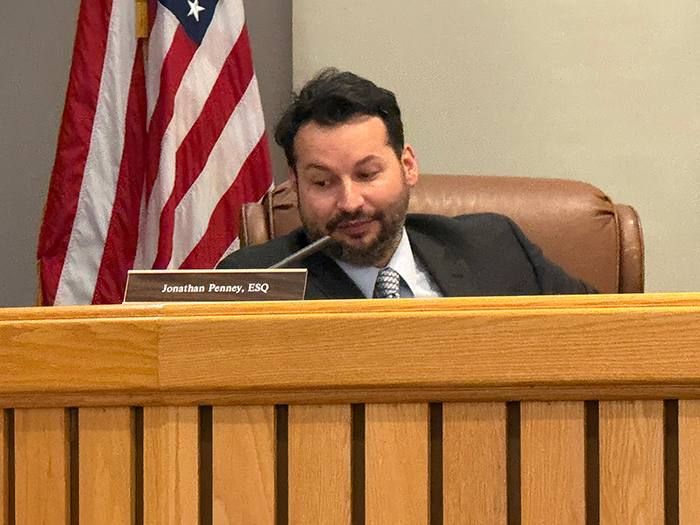
Members of the council majority have shown reluctance to rely on Township Attorney Jonathan Penney, who was appointed by Rodrick. It was not clear whether the council majority was using outside legal advice or drafting resolutions on their own.
Penney intervened after receiving messages from township employees concerned about payroll and other obligations. While affirming the council’s authority over finances, he warned that the resolution carried risks.
“I will always agree with you, Council President, that under the Faulkner Act, council controls the purse strings. That’s not in dispute,” Penney said. “But introducing something from the floor without clear legal guidance is dangerous. I don’t know who is advising on it, and if the CFO is raising concerns about what she can legally do, we have to be very careful.”
Resolution Reversed
Penney and Ciccozzi later referenced a more productive exchange between them, with Ciccozzi thanking the township attorney for stepping in to help ensure the resolution would not negatively impact township employees.
That cooperation quickly led to action.
Once the financial and legal implications became clear, the council moved to rescind the resolution, restoring the township’s ability to process payments and avoid disruptions to payroll and other essential operations.
By the time the rescinding resolution was introduced, Council members Coleman and O’Toole had left the meeting. The remaining members voted unanimously to reverse the earlier action and reestablish the prior payment procedures while directing further review of the Shore Media payment.