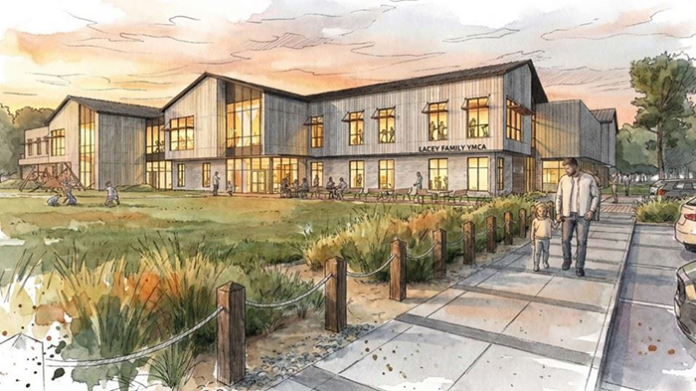

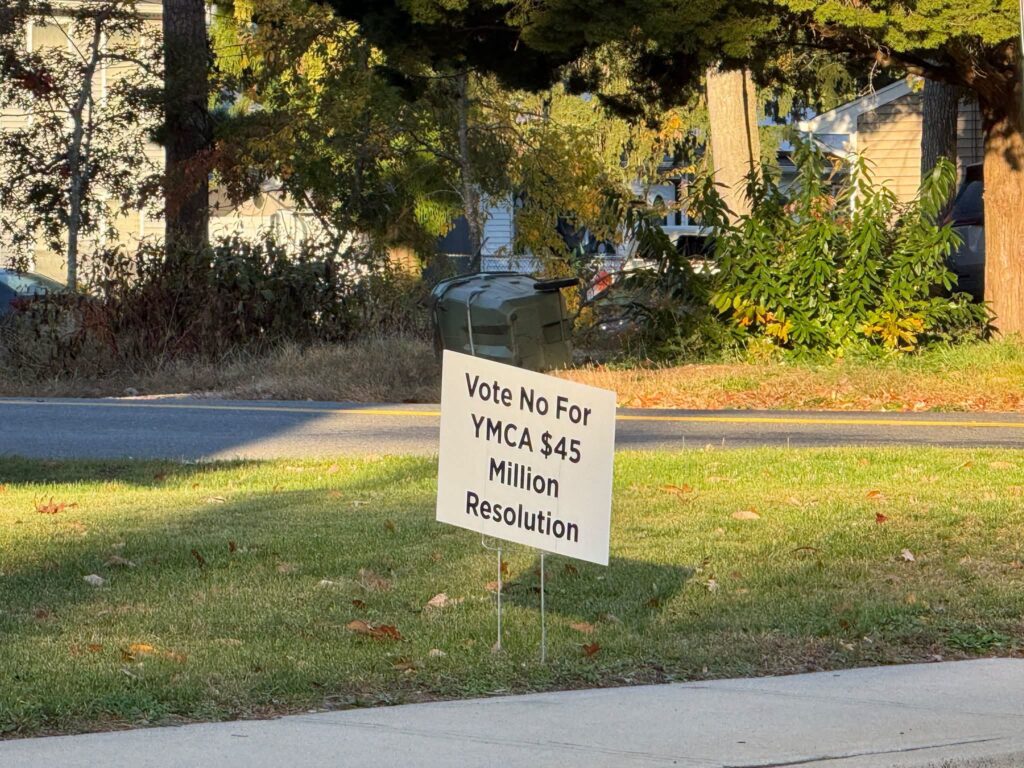
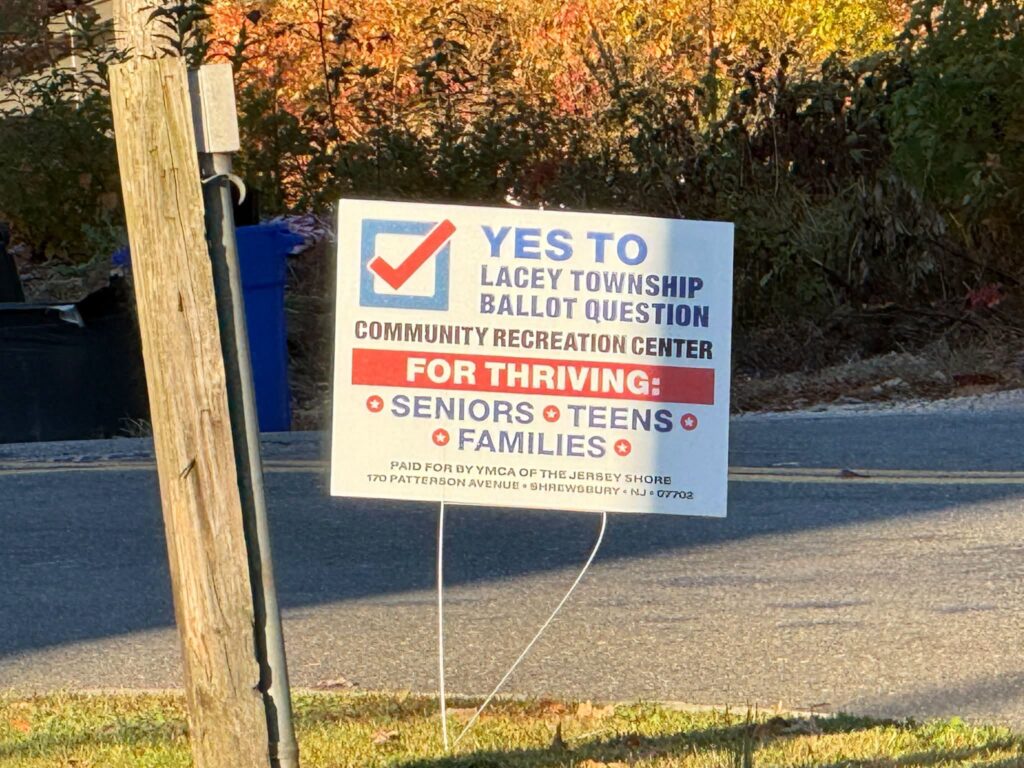
LACEY – Lacey voters didn’t leave much room for doubt about the proposed YMCA coming to town. More than 84 percent rejected the $45 million plan in the November 3 general election, with unofficial results showing 9,684 residents voted against the non-binding referendum and 1,838 supported it.
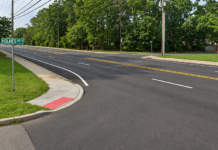
The outcome leaves roughly 10 acres of township-owned land between Lacey Road, Wawa and Gille Park without a planned use. It also puts at least a temporary stop to two years of planning for an indoor pool, gymnasium and recreation center that township officials had hoped would serve residents of all ages.
Mayor Steven Kennis, who supported the project, believes the result had more to do with money than the idea itself. In his view, many residents agreed with the concept but objected to how the project would be financed.
With residents already worried about gasoline prices, groceries and other household expenses, he understood why many were reluctant to take on another financial obligation.
“The timing for the Y could not be worse,” Kennis said. He added that the outcome likely would have been the same whether the project involved the YMCA or another recreational facility.
The mayor acknowledged the financial concerns behind the vote and suggested some residents felt they shouldn’t have to contribute toward a facility they might not use. At the same time, he believes projects like this one raise broader questions about the community’s future. “What do you want the town to look like in 20, 30 years?” he asked.
Kennis said recreation facilities like the one proposed rarely work as purely private ventures. “They can’t generate enough income to pay for themselves,” he said. “That’s anywhere.”
He had hoped for a closer vote, perhaps a 60-40 split. Such an outcome, he suggested, might have left more room to discuss alternatives. Instead, the overwhelming rejection makes it difficult to see how the project could move forward.
No Plan B For The Property
With the referendum defeated, Kennis said nothing is likely to happen with the township-owned land anytime soon. Circumstances can change, but the township has no alternative in mind. “In all likelihood, there won’t be anything for the foreseeable future,” Kennis said. “Right now, there’s no plan B.”
Asked whether Lacey still needs a community recreation center with an indoor pool, Kennis distinguished between what the township might be able to provide on its own and what would require outside assistance. “I don’t think we could do a pool without the Y,” he said. “A rec center, possibly.”
Kennis also pointed out that Lacey has no other site suited for the project. He doubted there would be any agreement to sell the land to the YMCA so the nonprofit could construct its own facility.
Despite the referendum’s defeat, Kennis has not changed his opinion about the potential benefits of the facility. He believes it would have been good for Lacey but understands why residents were unwilling to take on the financial commitment.
YMCA Says Its Door Remains Open
Kennis said a follow-up meeting with YMCA representatives is expected, although no date has been scheduled. He stopped short of declaring the proposal permanently dead.
“I think we would still be open to exploring some type of, I don’t use the word partnership, just some type of arrangement,” Kennis said. “The Y would still be beneficial to Lacey Township.”
The YMCA of the Jersey Shore also left open the possibility of future discussions. In a November 5 letter published by Jersey Shore Online, the organization thanked residents for participating in surveys and community forums and said it respected the election results.
The letter sought to clarify what the referendum involved. According to the YMCA, the proposal was for a township-owned community recreation center, with the Y serving as its nonprofit operating partner rather than owning the facility itself.
Under the proposed arrangement, the YMCA would have handled daily operations, staffing, programming and associated operating insurance responsibilities. The organization estimated those annual expenses at more than $2 million and said it was prepared to make additional investments in furnishings, equipment and programming.
Plans also included discounted memberships, income-based financial assistance, free swimming lessons for third-grade students, youth and senior activities, and community events. The YMCA said it would have worked with the township to pursue grants, philanthropic support and other outside funding opportunities.
The organization emphasized that its goal was to supplement existing township recreation programs and local businesses, not replace them.
“Our door remains open, and our commitment to serving communities remains strong,” the letter stated. In the meantime, the YMCA encouraged Lacey residents to explore programs at the Ocean County YMCA in Toms River and other regional facilities.
Costs Questioned Before Election
Questions about the project’s cost and the township’s financial responsibilities had been raised repeatedly in the months leading up to the referendum. In June, township projections placed the tax impact at approximately 7.8 cents per $100 of assessed value. The owner of a home assessed at the township average of $290,668 would have paid roughly $228 annually. A township economic impact study estimated construction costs between $38.1 million and $41.5 million.
At the time, resident Steve Bahrle questioned whether the township should finance the project entirely through borrowing. “We’re back to the question, is it a want or a need?” Bahrle said. “You don’t need it, you want it.”
Kennis countered that municipalities routinely borrow money for major capital projects, including fire trucks and municipal buildings. He also assured residents that the township would honor the referendum results. “If everybody votes no, we’re not going to do it,” he said.
The debate continued in July when approximately 65 residents attended a special meeting that lasted more than two hours. Several expressed support for the YMCA’s programs but questioned whether the township should own the building and assume long-term financial responsibilities. Bahrle asked why the township could not lease the property to the YMCA and allow the nonprofit to finance construction independently.
Township Administrator Veronica Laureigh said at the time that approximately $164,000 had already been spent on planning, public outreach and conceptual design. Most of the studies were funded through opioid settlement money, while the Gro Development Group contract was paid from the township’s reserve for land sales.
Those expenditures reflected the work already completed as officials and YMCA representatives spent two years exploring the project, developing proposals and gathering public input.
The referendum has now settled the question of whether voters supported the financing proposal placed before them, but it has not resolved what Lacey will do about its future recreational needs.
For now, the approximately 10 acres near Gille Park will remain as they are, with no immediate plans for development. Kennis expects township officials to speak with the YMCA again but acknowledged that the size of the defeat makes it difficult to envision another proposal.