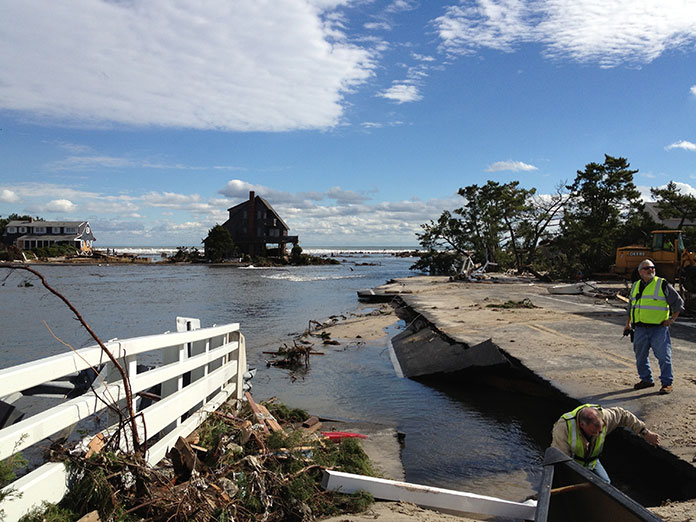
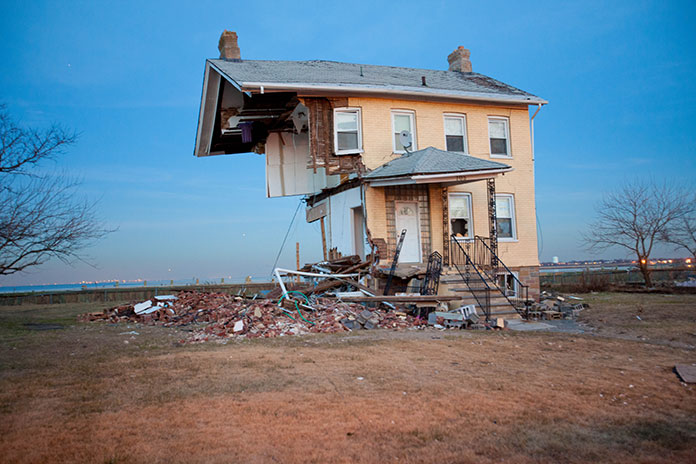
WASHINGTON, D.C. – Residents along the Jersey Shore know how quickly a storm can turn lives upside down. After Superstorm Sandy devastated New Jersey in 2012, federal disaster aid helped thousands rebuild homes and communities.
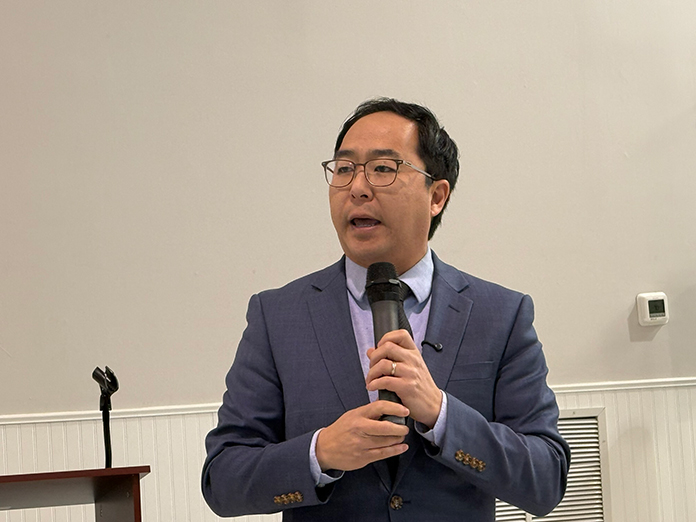
A report released March 4 by Senators Andy Kim (D-NJ) and Gary Peters (D-MI) warned that internal policies at the U.S. Department of Homeland Security delayed assistance from the Federal Emergency Management Agency, raising concerns about how quickly aid could reach communities after future disasters.
Entitled “Delayed by Design,” the 36-page report reflects findings released by the minority members of the Senate Committee on Homeland Security and Governmental Affairs.
Report Details FEMA Delays
According to the senators’ report, a policy implemented by former DHS Secretary Kristi Noem required personal approval for DHS contracts and grants exceeding $100,000. The additional step, they say, slowed FEMA’s ability to deliver aid after disasters.
Supporters of the policy have argued additional oversight is needed to ensure accountability in federal disaster spending.
The report identified at least 1,034 FEMA contracts, grants, or disaster assistance awards that were delayed or left pending because of the review policy.
According to the report, those delays affected disaster response efforts tied to major emergencies, including the July 2025 flash floods in Texas and recovery efforts following Hurricane Helene.
The review process also added roughly three weeks of additional approval time on average for FEMA requests.
“Communities across our country are bearing the consequences of Kristi Noem’s failures as Secretary,” said Kim in a statement announcing the report. “For an administration that touts the importance of efficiency, her needless red tape is proven to have left vulnerable communities without crucial funding when they needed it most. This report is further evidence that this absurd policy must end, or more hurt will come to more Americans.”
The report identified several examples where disaster response resources were slowed.
Among them was a renewal contract for FEMA’s disaster assistance call center during the Texas floods. According to the report, the contract request was submitted July 3 but was not approved until July 10, leaving flood survivors temporarily unable to reach FEMA support lines.
Other delayed requests involved programs such as disaster unemployment assistance, housing inspections, temporary housing installations, crisis counseling services for survivors, and deployments of Urban Search and Rescue teams.
Kim Once Supported Noem’s Confirmation
When the Senate considered her nomination to lead DHS in January 2025, Kim was among several Democrats who voted to confirm her. The U.S. Senate approved her nomination by a 59–34 vote, according to official Senate roll call records.
At the time, Kim said he supported Noem’s confirmation after the two discussed working together through the Homeland Security Committee to address disaster response, immigration concerns, and national security issues. He said maintaining a direct line of communication would help him raise the needs of New Jersey communities and hold the administration accountable.
Kim later became increasingly critical of Noem’s leadership, particularly after raising concerns that new internal review requirements were slowing FEMA’s ability to distribute disaster aid. Following the White House announcement of Noem’s removal, Kim issued a sharply worded statement.
“Kristi Noem failed at the job, and she failed the American people,” Kim said. “From Minneapolis to FEMA assistance, Americans have paid with their lives and livelihoods for her failures.”
Kim sharply criticized the administration’s leadership in the department.
“The failure of this Administration doesn’t just rest on Noem,” he continued. “Stephen Miller, Tom Homan, and others need to be held accountable for the harm they’ve brought to our communities. Noem’s removal is only the start of getting rid of the deep rot of corruption in the Trump administration.”
FEMA Aid In NJ
Concerns about FEMA delays resonate strongly in New Jersey, particularly along the Jersey Shore.
Following Hurricane Sandy, FEMA provided more than $422 million in Individual Assistance grants to New Jersey households and obligated over $1.9 billion in Public Assistance funding to repair damaged roads, schools, utilities, and other public infrastructure, according to federal disaster recovery records.
Kim was involved in efforts related to long-term Sandy recovery while serving in New Jersey’s former 3rd Congressional District, which included much of Ocean County and parts of Burlington County.
In 2021, Kim supported federal legislation that provided relief to Sandy survivors who had been ordered to repay disaster aid through so-called federal “clawbacks.” The effort also helped secure forgiveness of more than $12 million in Community Disaster Loans for Ocean County municipalities and school districts, part of a broader $25.9 million relief package for New Jersey communities.
“We can’t say that we’ve truly recovered from Superstorm Sandy until every one of our neighbors is back on their feet,” Kim said at the time while advocating for the relief.
Federal disaster aid has continued to play a role in New Jersey following later storms. After the remnants of Hurricane Ida caused severe flooding in 2021, FEMA approved more than $255 million in Individual Assistance for New Jersey residents, along with additional funding for infrastructure repairs.
Programs such as FEMA’s Hazard Mitigation Grant Program have also funded projects designed to reduce future storm damage, including elevating flood-prone homes.
Why Timing Matters
For communities along the Jersey Shore, where hurricanes, coastal flooding, and nor’easters remain regular threats, the speed of federal disaster aid can determine how quickly families and businesses recover.
Monmouth and Ocean County towns that were rebuilt after Hurricane Sandy know firsthand how critical FEMA assistance can be when homes are damaged and infrastructure must be repaired.
President Trump has named Republican U.S. Senator Markwayne Mullin as Noem’s replacement, though he must still be confirmed by the Senate.
Following tornado damage in Oklahoma in 2024, Mullin said federal disaster assistance was essential to helping communities rebuild and praised emergency officials for working to secure FEMA aid for residents and businesses affected by the storm.