TOMS RIVER – Ocean County’s proposed $655.6 million budget keeps the tax rate unchanged, the total cost to taxpayers is still rising. Wondering how that’s possible?
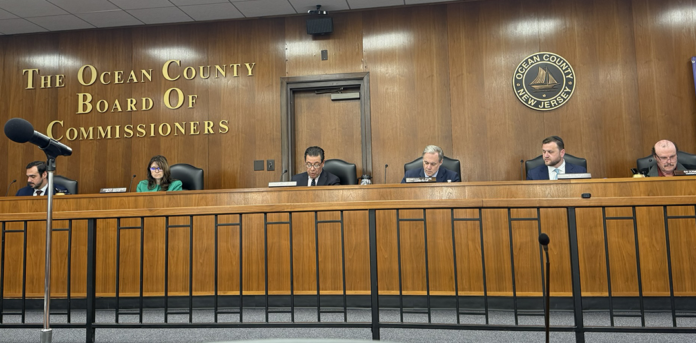
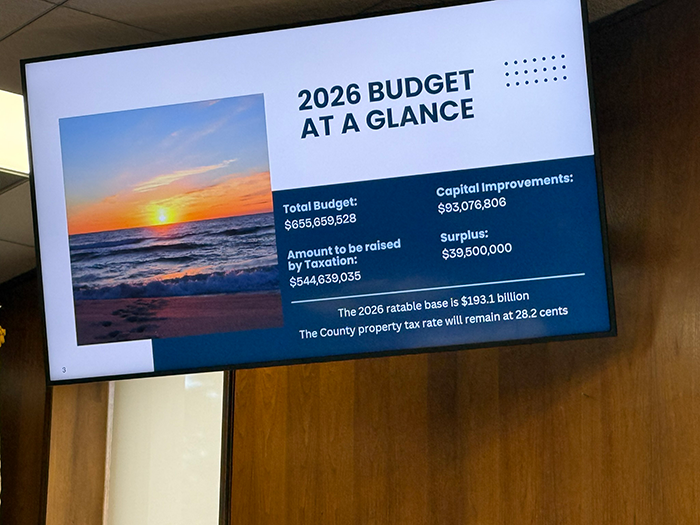
Commissioners formally introduced the 2026 spending plan during a recent meeting, outlining a budget that holds the county tax rate at 28.2 cents while increasing the amount raised through taxation by nearly $47 million.
Officials described the proposal as a product of disciplined financial management in a growing county. But the numbers reveal a more complex picture, where rising costs and increased spending are being absorbed by higher property values and continued reliance on budget reserves.
“I think when you listen to the numbers, they sound scary,” Commissioner Jennifier Bacchione said during the budget introduction. “But it’s important to remember that the tax rate remains flat. What you’re seeing is growth in ratables across the county, and that allows us to make improvements without raising taxes.”
The budget was adopted during the April 15 meeting.
Growth Driving Revenue
The county’s total ratable base has climbed to approximately $193.1 billion, an increase of more than $16 billion in just one year. Officials said that growth allows the county to collect more in taxes while maintaining the same rate.
Ratables are all the properties in the county that can be taxed.
Ocean County’s population is now estimated at around 680,000 residents, a figure leaders cited repeatedly as justification for expanded spending.
“It’s a time of rising costs,” Commissioner Director Frank Sadeghi said. “We made a deliberate choice to not increase your county tax rate while continuing to fund essential services.”
Still, the scale of the proposal underscores the pressure. Total spending is up from $626.9 million last year, and the amount to be raised through taxation now stands at $544.6 million.
Investing In A Growing County
Much of the presentation during the budget introduction focused on where that money is going.
Infrastructure remains a central priority, with more than $93 million dedicated to capital improvements. Roads, bridges and stormwater systems make up a large portion of that spending, along with traffic upgrades across the county.
Some projects are already familiar to residents, including major bridge work in Toms River and ongoing road resurfacing efforts. Others are part of long-term planning aimed at keeping up with population growth and heavier traffic demands.
Officials also highlighted continued investment in the Robert J. Miller Airpark, where new hangars are planned to support private aviation and business activity. The project was framed not just as infrastructure, but as an economic development tool intended to attract investment and expand opportunities.
Public safety spending was another focal point.
The budget includes funding for updated equipment, communication systems and training for the sheriff’s office, along with body-worn cameras for the prosecutor’s office. There are also planned upgrades to correctional facilities and continued support for emergency management and 911 operations.
“By investing in modern infrastructure and operational needs, we are ensuring that our correctional facilities remain secure, efficient and capable of meeting today’s demands,” Commissioner Samuel Ellenbogan said. “The juvenile detention center is focused not only on safety, but also on providing young people with the structure, support and resources they need to change the course of their lives.”
Education also played a prominent role in the 2026 budget. Funding is set aside for improvements at Ocean County College and the county’s vocational school system, with officials emphasizing the importance of preparing students for careers in healthcare, technology and skilled trades.
The goal, they said, is to create a direct link between local education and workforce needs, allowing residents to train for jobs without leaving the area.
Preserving Open Space
Alongside the budget introduction, county officials are also looking ahead to a possible tax increase tied to open space preservation.
Ocean County currently funds land preservation through a dedicated 1.2-cent tax that generates about $10 million annually. Officials said that amount is no longer keeping pace with rising land values and acquisition costs.
“Open space preservation is a critical tool for responsible growth and environmental protection,” Sadeghi said, adding that it additionally supports recreational opportunities for residents. “It also ties into the fact that preserved land helps safeguard drinking water.”
Sadeghi has proposed placing a referendum on the November ballot that would increase the open space tax by one cent, a move that would require voter approval.
The county has preserved more than 33,000 acres through the program over the past several decades, and officials said expanding that effort remains a priority even as overall budget pressures grow.
Services That Touch Daily Life
Beyond large-scale projects, the budget continues to fund a wide range of services that often operate quietly in the background.
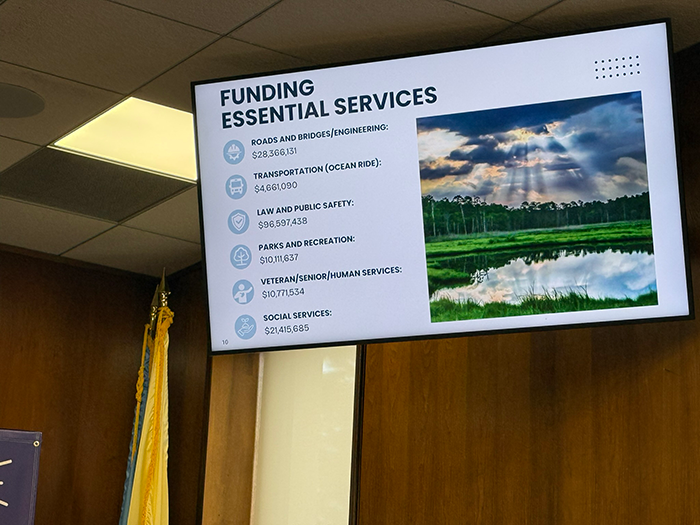
Transportation programs, parks and recreation, and social services all remain significant parts of county spending. Funding also supports programs for seniors, veterans and residents facing food or housing insecurity.
While the budget presentation emphasized stability and investment, the documents themselves reveal a more complicated financial picture. Even with the tax rate unchanged, the increase in the tax levy means residents overall will contribute significantly more toward county operations. The nearly $47 million jump reflects both rising costs and expanded spending.
At the same time, revenue from sources other than property taxes has declined, increasing reliance on taxpayers to make up the difference .
The county is also using $39.5 million in surplus to help balance the budget, slightly more than last year. While that approach helps avoid a tax rate increase, it depends on reserves that may not always be available at the same level.
Budget documents also point to potential pressures ahead, including expiring labor contracts and rising operational costs that could affect future budgets.