TRENTON — The New Jersey Lottery is celebrating its 55th anniversary this month, marking more than five decades of jackpots, growth and billions of dollars returned to residents and the state.
The milestone traces back to 1970, when then-Gov. William Cahill purchased the Garden State’s first lottery ticket for 50 cents. That moment made New Jersey the third state in the nation to launch a lottery, following New Hampshire and New York.
Since then, the Lottery has evolved into one of the most recognizable gaming brands in the state, built around a core promise of returning a significant share of revenue to players. Nearly two-thirds of ticket sales today are paid out in prizes.
The first million-dollar winner arrived in March 1971, when Essex County residents Edward and Kathleen Henry won a $1 million draw game prize — a sum worth about $8 million today — paid out as a 20-year annuity. Fast forward to 2025, and high-dollar prizes have become routine. This calendar year alone, more than 800 prizes of at least $10,000 have been awarded statewide, with over 60 players winning $1 million or more.
New Jersey has also become a national lottery heavyweight, producing 10 Mega Millions and Powerball jackpot winners over the past eight years.
Financially, the Lottery’s growth has mirrored its expanding reach. In its first fiscal year, sales topped $137 million, with $41 million directed to the state. In fiscal year 2025, gross revenue reached $3.51 billion, including a $1.08 billion contribution to New Jersey’s public employee pension system, which supports teachers, police officers, firefighters and other public workers.
If ranked alongside private-sector companies, the Lottery’s revenue would place it among the top 1,000 companies nationwide and in the top tier of New Jersey-based organizations.
Market research shows the Lottery’s reach remains broad, with 83 percent of New Jersey adults who are not morally opposed to gambling reporting they played at least once in the past year.
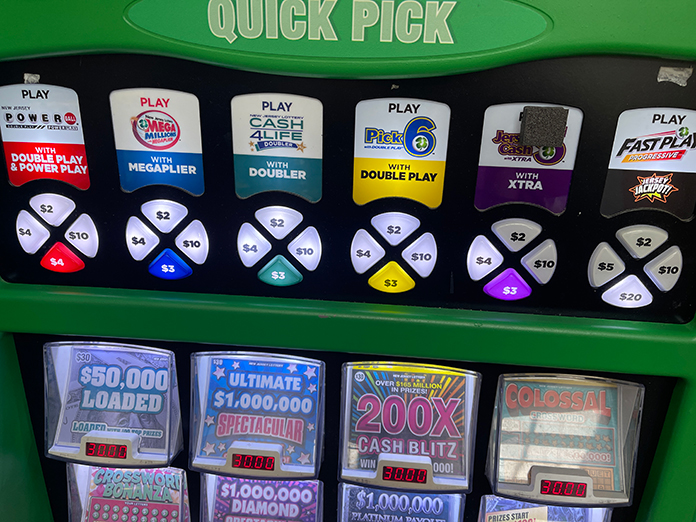
Looking ahead, officials say modernization will remain a priority. This fall, the Lottery expanded digital services by allowing winners of certain prizes to claim and receive payments through its mobile app, while continuing to support traditional in-store sales.
Retailers remain central to the system. More than 6,500 locations across the state sell Lottery tickets, generating $198 million in commissions last year and $2 million in bonuses tied to top-tier winning tickets. Many of those retailers are small businesses embedded in their local communities.
Since its founding, the New Jersey Lottery has contributed nearly $34.7 billion to state programs and services. Under a law enacted in 2017, Lottery profits are dedicated to supporting the public employee pension system through a 30-year agreement — a commitment that continues to shape its future as it enters its next half century.