
BRICK – A sixth hearing for an application before the township Board of Adjustment to improve a 1950s-era asphalt plant, focused mostly on the cross-examination of Greg Wagner, who is the division manager of Stavola Industries and who had given testimony at the previous hearing.
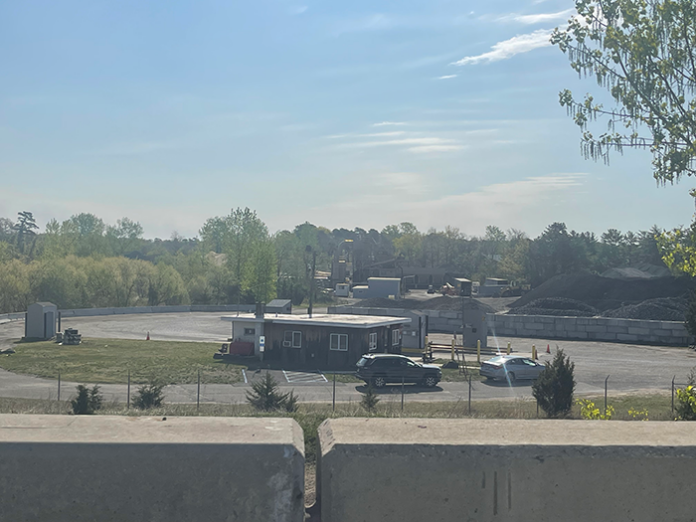
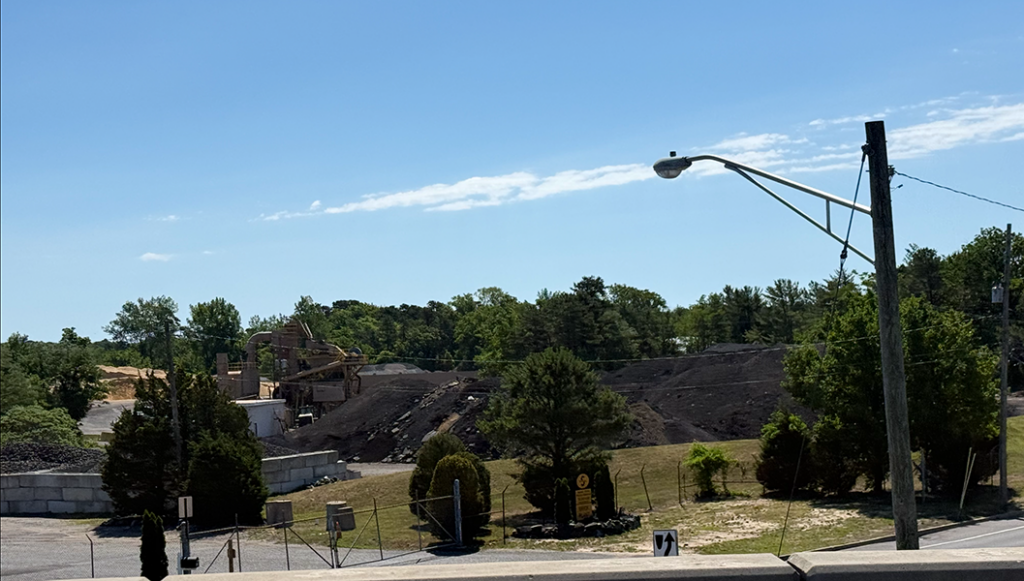
The Stavola asphalt plant is located on Chambers Bridge Road next to the municipal complex and across from Brick High School. It is owned by Dallas-based Arcosa, Inc., who acquired Stavola’s construction materials business for $1.2 billion in late 2024.
In a June 22, 2026 press release, it was announced that CRH (Cement Roadstone Holdings) signed an agreement to acquire Arcosa, Inc. for $8.5 billion, and on October 23, it had completed the acquisition.
It is not clear if this would have any bearing on the application to modernize the 17.3-acre Brick facility currently being heard before the township Board of Adjustment.
During the recent hearing, Wagner was asked about what the maximum asphalt production could be in a 24-hour period for the current plant and what the maximum could be at the plant with the proposed improvements.
The existing plant is a “batch” plant, which means the machinery has to start and stop for each truckload, using significantly more electricity than the proposed “drum” plant, where the machinery runs continuously and more efficiently, Wagner said.
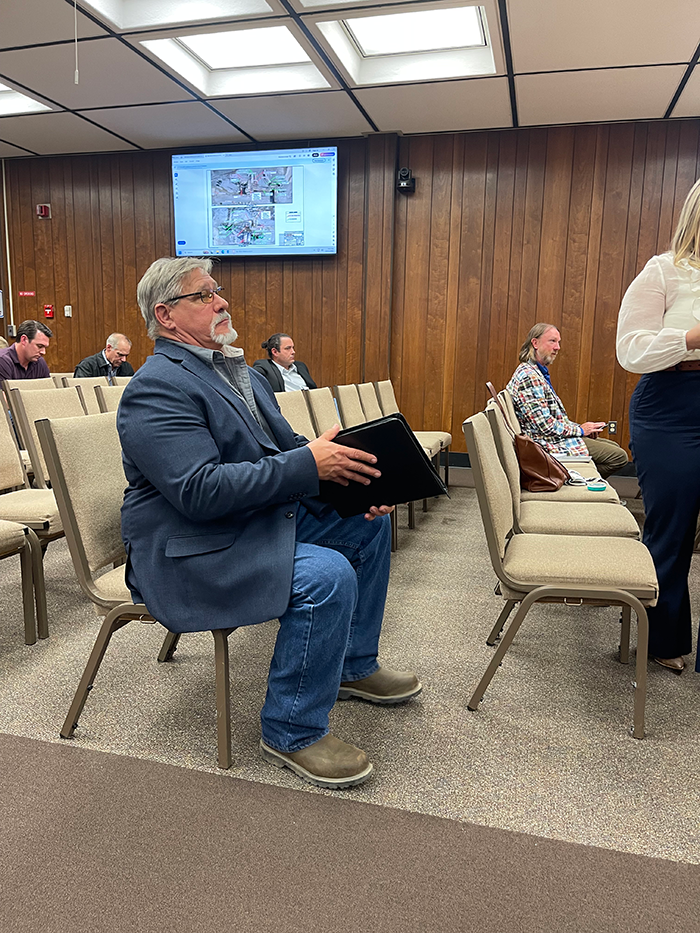
He noted that the plant does not operate at maximum capacity due to the market share, but said if it did, it could fill 305 truckloads in a 24-hour period. With the proposed technology upgrades, the plant could produce enough asphalt to fill 480 trucks in a 24-hour period.
He said the Brick plant produced 117,000 tons in its best year and 36,000 tons in its worst year, averaging 86,000 tons annually.
Wagner was asked about the difference in emissions in a batch plant versus a drum plant. He said the Department of Environmental Protection (DEP) performs “stack testing” annually on asphalt plants to ensure that the burners are operating optimally.
“They hook up meters during production,” Wagner said. “They optimize the burners and certify the adjustments. We have to meet their criteria.”
Upon questioning from Board members, Wagner said there is no alarm system in place if the system exceeds noxious emissions. He said an alarm system is not a regulatory requirement by the state.
As emissions questions continued, Board of Adjustment Chair David Chadwick suggested that an emissions expert should come to a future hearing “to answer emissions questions.”
When asked if any of 12 Stavola’s (now CRH) asphalt plants discharge directly into a body of water, Wagner said three of them do, including the plant in Newark that discharges directly into the Passaic River.
If the Board approves the application, some 60-65 percent of equipment from Stavola’s Hillsborough plant, which is not being used, would be moved to the Brick plant.
“The Hillsborough plant is a $10 million asset, and it’s doing nothing,” Wagner said.
The application is facing opposition from the Brick Township Municipal Utilities Authority (BTMUA) and from the environmental group, Save Barnegat Bay, who have hired attorneys that will argue that the location of the plant poses health risks due to its proximity to the Metedeconk River, located a half-mile upstream, which supplies drinking water to 100,000 residents.
Both groups want the plant shut down and the land remediated.
Due to a full agenda scheduled for the Board of Adjustment, the next hearing for this application will not be held until February 3, 2027 at 7 p.m. It will be a special meeting held for this application only.