BRICK – Res judicata.
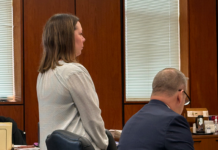
If you didn’t know the meaning of this legal term, you knew it by the end of the most recent Board of Adjustment meeting.
Attorneys spent nearly three hours discussing res judicata, which is Latin for “a matter judged,” – a legal doctrine preventing parties from relitigating claims or issues already decided by, in this case, a previous Planning Board.
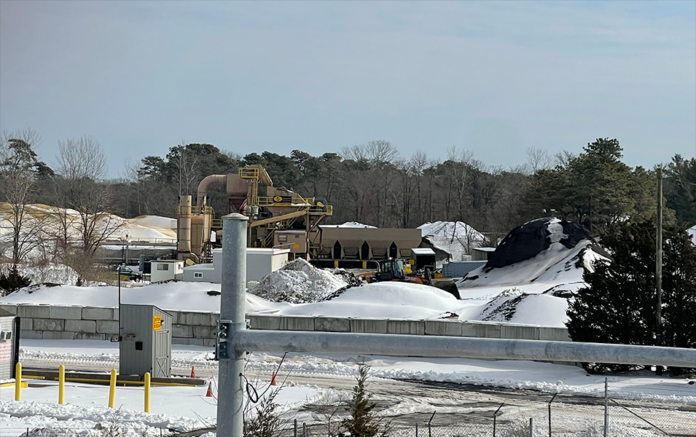
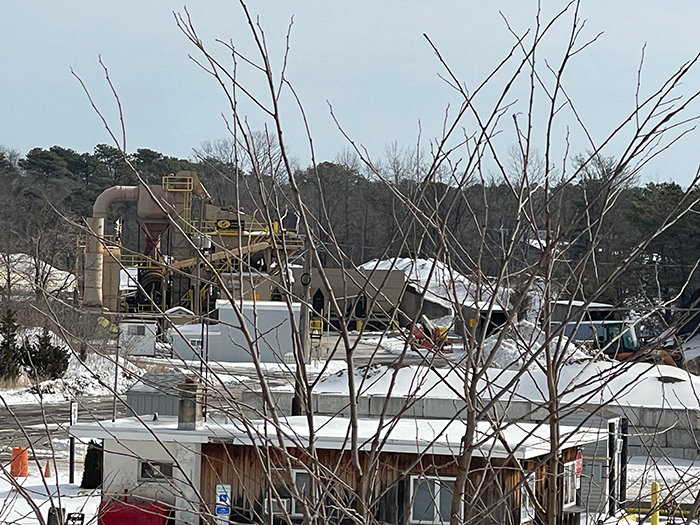
At stake is an application by Stavola Industries of Tinton Falls, an asphalt plant that has existed in Brick for some 70 years at 429 Chambers Bridge Road, adjacent to the Garden State Parkway.
Stavola is seeking approval from the Board of Adjustment to modernize and redevelop the 17-acre plant with new structures, improved stormwater management, added storage bins, a truck scale, replacing gravel driveways with asphalt and more.
Attorneys representing Brick Municipal Utilities Authority (BTMUA) and Earle Companies (an asphalt supplier competitor) argued that a similar application, filed in 2008 by Stavola Industries, was denied, citing res judicata dozens of times.
Board of Adjustment Chair David Chadwick said that before the Board could hear testimony on the application, two issues had to be resolved.
“First: has this already been decided?” he asked, referencing the plant’s 2008 denied application.
In attendance were more than a dozen professionals ready to give testimony if the application had proceeded.
In a letter dated January 30 of this year, BTMUA Executive Director Chris A. Theodos issued a press release “expressing grave concern” for the project.
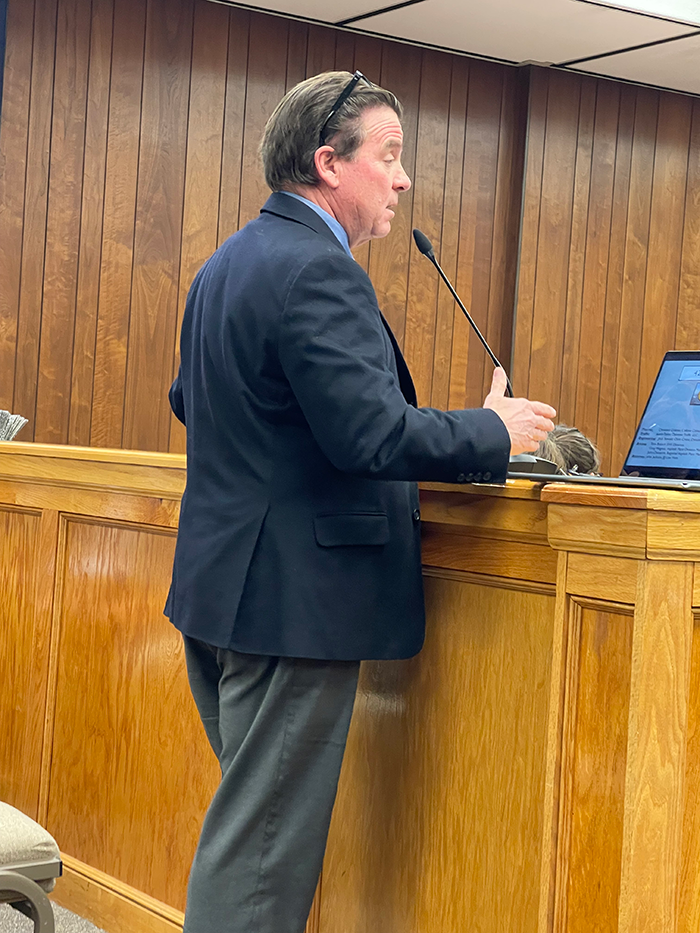
“BTMUA is adamantly opposed to this application…for the reconstruction of the asphalt plant…- a site that sits on the bank of the South Branch of the Metedeconk River, one of our region’s most vital drinking water sources.”
The utility company says the proposal poses a threat to the health, safety, and welfare of local residents and “should be closed promptly and the site remediated by the owner to eliminate any remaining hazards,”
In their research, BTMUA said a 1953 township ordinance prohibits all industrial uses on the site and no application or approval was ever granted to the asphalt company and the asphalt plant “has operated in continuous violation of the zoning ordinance since its construction.”
So the second issue that needs to be resolved before the Board could vote on the application, Chairman Chadwick said, is the issue of whether the site should exist at all, citing NJ Land Use Laws D-1 and D-2 “Use” variances.
“This is all predicated upon whether the asphalt plant was legally existing prior to the adoption of the Brick’s zoning ordinances, therefore whether it’s grandfathered or not,” Chadwick said.
The second issue was barely touched upon by the time the meeting ended at 10 p.m. Chairman Chadwick polled Board members on the res judicata issue.
In the end, a majority of the members said they wanted to hear more about the application before deciding on res judicata.
“Is this application substantially the same as the previous one?” the chairman asked Board members.
Stavola Industries attorney John Jackson said the new layout and plan has stricter environmental regulations than in the past, road improvements within the plant would reduce the number of trucks waiting and queuing, and 2026 technology and techniques would replace 1956 technology and techniques.
“This plant has been there for 70 years, it is ‘grandfathered’ in,” Jackson said. “It’s not going anywhere.”
Board members Wendy Evagan said she needed to learn more about the site plan and Jennifer Leone Luddy said she wanted to hear more from the experts. “Maybe [this plan] is better for the town…maybe there are better environmental conditions,” she said.
Chairman Chadwick said the site plan and design is different enough from the 2008 application to continue with the case, but “we might still use res judicata.”
The meeting was carried to Wednesday April 22 when the D-1 and D-2 Use Variances will be discussed.