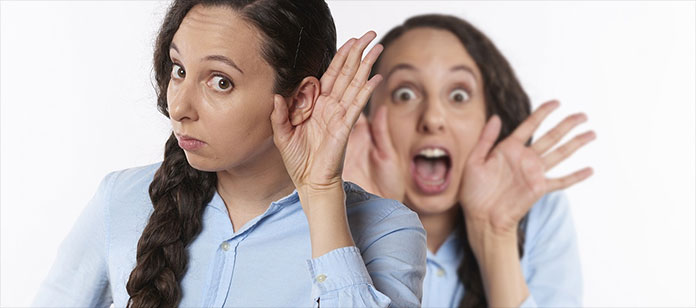
If you have hearing difficulties, you’re not experiencing them alone. Hearing loss is a family affair, which adds to the importance of addressing it early. Learn how your hearing loss may be affecting the person closest to you — and what you can do.
Has your beloved asked you one, two, or a ton of times to turn the TV down? It’s not uncommon for loved ones to have to deal with louder volumes when a significant other has hearing loss. In fact, it’s one of the potential signs of hearing problems.
What’s more, untreated hearing loss may mean your sweetheart has to:
Speak at higher-than-normal volumes to help you follow the discussion
Repeat themselves often, which can feel frustrating and tiring
Serve as a constant go-between to explain what others are saying
Partners of those with hearing loss have also reported stress, isolation, and other challenges, according to research. *Plus, poor hearing can lead to miscommunication or the perception that the other person isn’t listening or engaged. It can all add up to a strain on the relationship.
The good news? Adults treated for hearing loss report significant improvement in relationships — and so do the people who love them. *Here are some steps you can take:
If loved ones are complaining about your TV volume, schedule a hearing exam.
Already have hearing aids? Wear them regularly and practice good maintenance.
Explore your hearing aids’ streaming capabilities, sending customized audio directly to your ears — without changing the volume for everybody else.
Speak honestly about how hearing loss affects both of you — and how you can support each other.
Hearing plays a big role in relationships, so don’t wait. Schedule a consultation with our caring team at Garden State Hearing today! We hear you and are here for you. We can be reached at 732-818-3610 or visit us at Gardenstatehearing.com.
*Sage Journals | Trends in Hearing. A Data-Driven Synthesis of Research Evidence for Domains of Hearing Loss, as Reported by Adults With Hearing Loss and Their Communication Partners. http://journals.sagepub.com/doi/abs/10.1177/2331216517734088. Accessed Nov. 9, 2020.
**National Council on Aging. The Consequences of Untreated Hearing Loss in Older Persons. https://www.ncoa.org/resources/the-consequences-of-untreated-hearing-loss-in-older-adults/. Accessed Nov. 9, 2020.