JERSEY SHORE – Imagine how the beaches would look if no one cleaned them?
Although municipalities rake and prepare the beach for the hundreds of thousands of people who visit the shore every summer, it falls to volunteers to hit the sand in spring to collect tons of trash.
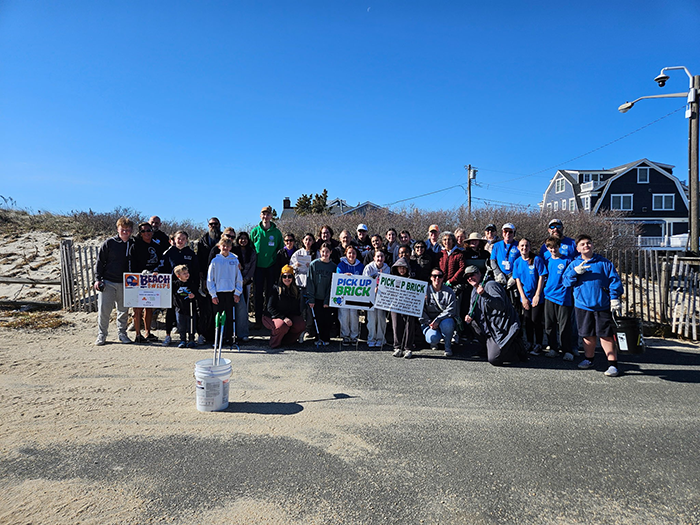
According to Clean Ocean Action, there were more than 4,000 volunteers at 77 sites across the state for their spring Beach Sweeps. Some were individuals; some were groups such as scouts or businesses.
To date, volunteers have spent over 1 million hours collecting over 8.9 million pieces of debris.
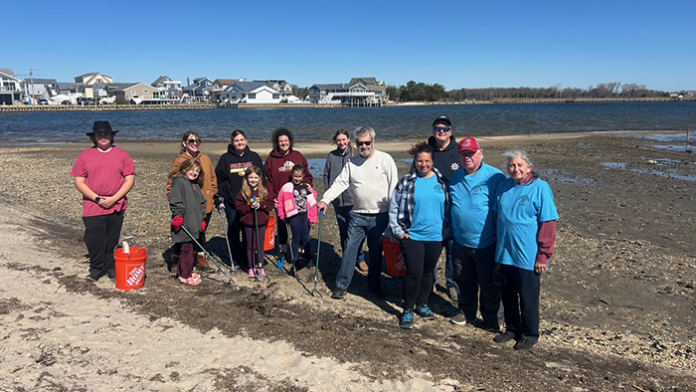
Teachers and students from the Marine Academy of Technology and Environmental Science (MATES) have led Beach Sweeps locations for 30 years. This year they hit the Grant Avenue Beach site in Seaside Heights.
“Because of the long, cold winter, people have really looked forward to being outdoors,” said John Wnek, Supervisor of Science and Research at MATES. “Beach Sweeps provides an activity to be outside and practice stewardship.”
The Berkeley Township Waterways Advisory Commission started at the Holly Park Beach end of Main Street, member Beth Collis said. Then, they headed to the Butler Boulevard Beach and Playground.
Clean Ocean Action’s “Roster of the Ridiculous” highlights the most unusual items found by volunteers. A sampling of the silly found throughout the state include a burned boat, a car bumper, gears, a shopping cart, a motorcycle seat, metal boat parts, refrigerator parts, bone, and a fragment of a utility pole.
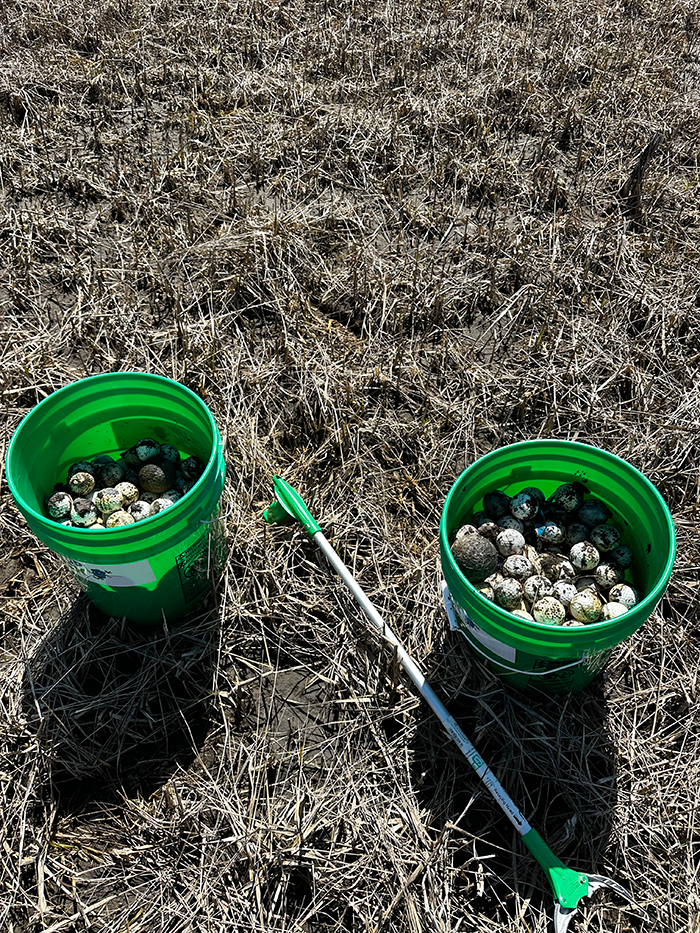
In Brick, they found more than 200 golf balls in the Edwin B. Forsythe National Wildlife Refuge that weekend, which implies that someone has a very expensive and careless hobby.
Not only is the goal to remove garbage, but to document it. This is important because it helps guide policy and study trends. For example, cigarette butts are common finds but there has been a prevalence of vape materials.
“By collecting both debris and data, volunteers are helping us understand the sources of pollution so we can stop it at the source,” said Meg Sulzberg, COA’s Plastic-Free Sea Coordinator. “Their efforts are essential to driving long‑term solutions for a cleaner ocean.”
Each cigarette filter, dental floss pick, or plastic bottle cap recorded by volunteers becomes part of a growing body of evidence that reveals how pollution reaches and impacts the coast, she said.
In 2022, they advocated for the “Get Past Plastic Law,” which successfully banned plastic bags in stores across the state. Prior to the law’s enactment, 2021 Beach Sweepers collected an average 0.93 plastic bags on the beach, compared to 0.52 in 2025.
“The experience of working alongside your community to positively impact the environment sparks a shared sense of responsibility and pride,” said Evan Leong, Communications & Marketing Director at COA. “Beach Sweeps is a reminder that anyone and everyone can help the ocean and environment – and real change starts with action right where we live.”
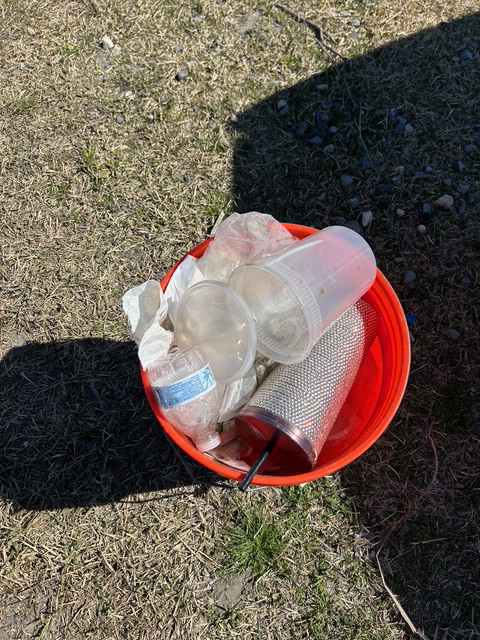
“Today’s turnout continues a legacy of stewardship and strengthens our commitment to safeguarding the coast for future generations,” said Cindy Zipf, Executive Director at COA. “Every piece of debris removed today represents one less threat to marine life and one more step toward cleaner, healthier beaches.”
COA wasn’t the only environmental group involved. Jersey Shore Surfrider, Municipal Green Teams, Recreation Department staff, and Environmental Commissions are also involved. Elected officials of short towns have also rolled up their sleeves to help.
The 2026 Statewide Sweeps Sponsors are: Bank of America, Wakefern Food Corp. and ShopRite, and Vantage Apparel.
The Fall Beach Sweeps will be on Saturday, October 24. COA also encourages citizens to practice “Beach Sweeps” every day by properly disposing of trash and reducing their use of single-use plastics. For more information, visit CleanOceanAction.org.